:::
Care Services
Taiwan’s population is aging at a rate that ranks among the fastest in the world, with the proportion of people aged 65 and older officially surpassing the 20 percent threshold. At the same time, the number of persons with disabilities and dementia continues to rise. Given their varying care needs and family circumstances, incidents of abuse in care settings have been frequently reported in the news in recent years. One of the reasons for this is the overwhelming pressure of long-term care—a situation with no end in sight and no clear solution.
As the Ministry of Health and Welfare and the Ministry of the Interior are about to launch the largest-scale survey to date on seniors living alone; as the news is filled with stories about preventing dementia and the hardships of caregiving—everyone faces aging with different circumstances and needs. As caregivers, we struggle through each day; but as those receiving care, what expectations do we have for our lives?
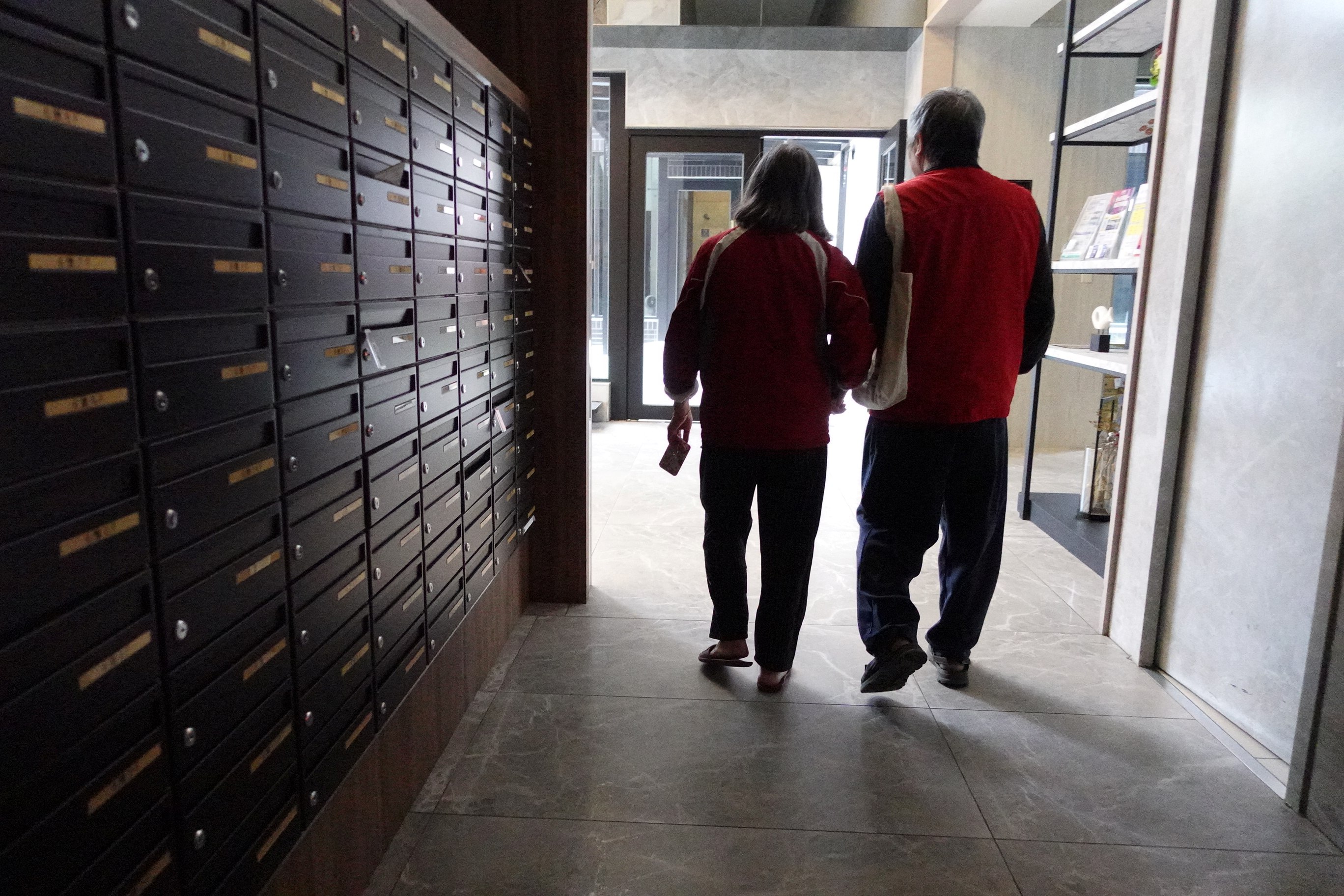
Taiwan has entered a super-aged society, with the number of seniors living alone, double aging care, and various long-term care needs continuing to rise.
In urban areas, community-based service centers provide seniors with a safe and reassuring place to engage in activities, helping to slow the progression of cognitive decline.
By 2025, Taiwan's population aged 65 and above will reach 20%, marking the final stretch toward becoming a "super-aged society." In truth, a large senior population is not the core issue; what demands greater attention is the quality of health and lifestyle. Although the average life expectancy in Taiwan is 81.9 years, the healthy life expectancy is only 72.43 years. This means that the final 7 to 8 years of life are often spent in a state of disability, bedridden, or burdened by chronic illnesses.
This physical burden also takes a toll on mental health. Among Taiwan's middle-aged and senior, one in six experiences depressive symptoms. The prevalence of dementia poses another significant societal challenge: currently affecting approximately 350,000 individuals aged 65 and above, this number is projected to double to 760,000 within a decade. Research further reveals that 46% of caregivers for dementia patients suffer from depression.
Longevity should be a blessing, yet in reality, both seniors and caregivers may find it increasingly difficult to live joyfully as age advances. "How can we achieve a healthy and happy life in old age?" is a critical issue we all must confront.
By 2025, Taiwan's population aged 65 and above will reach 20%, marking the final stretch toward becoming a "super-aged society." In truth, a large senior population is not the core issue; what demands greater attention is the quality of health and lifestyle. Although the average life expectancy in Taiwan is 81.9 years, the healthy life expectancy is only 72.43 years. This means that the final 7 to 8 years of life are often spent in a state of disability, bedridden, or burdened by chronic illnesses.
This physical burden also takes a toll on mental health. Among Taiwan's middle-aged and senior, one in six experiences depressive symptoms. The prevalence of dementia poses another significant societal challenge: currently affecting approximately 350,000 individuals aged 65 and above, this number is projected to double to 760,000 within a decade. Research further reveals that 46% of caregivers for dementia patients suffer from depression.
Longevity should be a blessing, yet in reality, both seniors and caregivers may find it increasingly difficult to live joyfully as age advances. "How can we achieve a healthy and happy life in old age?" is a critical issue we all must confront.
By 2025, Taiwan's population aged 65 and above will reach 20%, marking the final stretch toward becoming a "super-aged society." In truth, a large senior population is not the core issue; what demands greater attention is the quality of health and lifestyle. Although the average life expectancy in Taiwan is 81.9 years, the healthy life expectancy is only 72.43 years. This means that the final 7 to 8 years of life are often spent in a state of disability, bedridden, or burdened by chronic illnesses.
This physical burden also takes a toll on mental health. Among Taiwan's middle-aged and senior, one in six experiences depressive symptoms. The prevalence of dementia poses another significant societal challenge: currently affecting approximately 350,000 individuals aged 65 and above, this number is projected to double to 760,000 within a decade. Research further reveals that 46% of caregivers for dementia patients suffer from depression.
Longevity should be a blessing, yet in reality, both seniors and caregivers may find it increasingly difficult to live joyfully as age advances. "How can we achieve a healthy and happy life in old age?" is a critical issue we all must confront.
Every morning, Auntie Hsiu-Yueh pushes open the center’s door, greets everyone with boundless energy, and gets ready to start the day’s activities. At 77, she is a long-time member of the dementia support center. When she first noticed her memory beginning to fade and found herself frequently forgetting things, she felt quite discouraged. Encouraged by her daughter, Auntie Hsiu-Yueh sought medical attention, where she was diagnosed with mild dementia. Her doctor then referred her to the dementia support center.


Since joining the center eight years ago, Auntie Hsiu-Yueh has actively participated in various activities, leading a fulfilling life.
At first, Auntie thought she would just come to check it out, but the warmth of the staff and her peers at the center quickly made her fall in love with the place. Auntie Hsiu-Yueh said that before coming to the center, her daughter had to work, leaving her at home with nothing to do every day; she often felt bored and tended to overthink things. But after starting to “attend classes” here, not only does she have the companionship of many peers, but the staff also arrange different courses and activities every day. Over the past few years, she has participated in hands-on experiences at a coffee shop and a steamed bun shop, as well as the “Five Feelings” food truck pop-up events and local markets. Now, she feels that every day is fulfilling and joyful.
The release on Eden Charity Ambassador Miao Ke-li and Auntie Hsiu-yueh invite you to join them in caring for our seniors
In remote rural areas, a combination of diverse long-term care services serves as a vital support system for alleviating the burden on family caregivers.
Uncle Kuo-Fu dedicated his youth to education, graduating from National University of Tainan and serving for many years as a Director of Student Affairs at an elementary school. After retirement, he remained committed to personal growth, joining mountaineering clubs, Japanese language societies, and health seminars. His daily routine included arm-swinging exercises, reading newspapers, and practicing calligraphy—a fulfilling and joyful life.
However, at age 77, Uncle began showing signs of dementia, and at 82, he was diagnosed with mild cognitive impairment. During the pandemic, he lost nearly all social connections and gradually lost interest in his former hobbies. He often just wanted to lie in bed sleeping, and began exhibiting wandering behavior. He even started opening doors to go outside at night, getting lost several times and causing his family great anxiety.
In addition to dementia support centers, day care centers and respite care services are also pillaring of support for families providing long-term care. In the remote rural areas of Taitung, where the terrain is vast and sparsely populated, resources are scarce and unevenly distributed, placing an even greater burden on family caregivers. 88-year-old Grandma Ah-Xue has been receiving day care services for over a year. Combined with nighttime respite care, this has led her daughter-in-law—the primary caregiver—to sigh with relief: “It really makes things so much easier.”
After falling five years ago, Grandma Ah-Hsueh became almost completely unable to care for herself due to weakness in both legs and progressively worsening dementia symptoms; she also gradually lost her ability to communicate. From then on, her daughter-in-law shouldered the heavy burden of care. Every day, she had to support Grandma Ah-Hsueh, help her move around, prepare meals, feed her, change her diapers, and bathe her. Sometimes Grandma Ah-Hsueh would become agitated at night or sneak out of the house, forcing her to remain on high alert day and night. The long-term stress of fragmented sleep and physical exhaustion, coupled with differing views on caregiving among family members, plunged her even deeper into a quagmire of loneliness. When she shared her story at Eden’s long-term care assessment meeting, her eyes welled up with tears. “I really want to go out and see the world,” she said, “even if it is just for a few days.”


At the day care center, Grandma Ah-Hsueh receives professional services and follows a regular schedule, which has greatly reduced the caregiving burden on her family.
Fortunately, Eden’s Donghe Yi-Fu Long-Term Care Service Center, intervened in a timely manner, assessing the condition and needs of both Grandma Ah-Hsueh and her caregiver. They approved 11 days of overnight respite care; as long as the application is submitted in advance, Grandma can stay in a safe, professional overnight facility, allowing the caregiver to catch her breath. In addition, with daytime courses at the day care center and extra support, the daughter-in-law has gradually begun to lighten her burden, and Grandma has also shown signs of improvement. Thanks to the professional care provided by the care attendants and the companionship of her peers, Grandma’s ability to interact has improved significantly. She can now wave her hand and make sounds when prompted by the care attendants, and her emotional state has stabilized considerably.
With professionalism and compassion, Eden goes the extra mile for families providing long-term care.
Eden has been dedicated to senior care services for many years. We see more than just service users; we hope to alleviate the burden and anxiety of long-term care families through professional intervention. Therefore, we provide a diverse range of senior services throughout Taiwan—from community-based sites to day care centers, and from home-based care to meal delivery, bathing assistance, transportation, and home repairs—offering support tailored to individual needs. We hope these diverse services will serve as a strong support system for long-term care families, so they know there is someone to accompany and share the burden with them—lightening the load on their shoulders and allowing caregivers to go the extra mile.
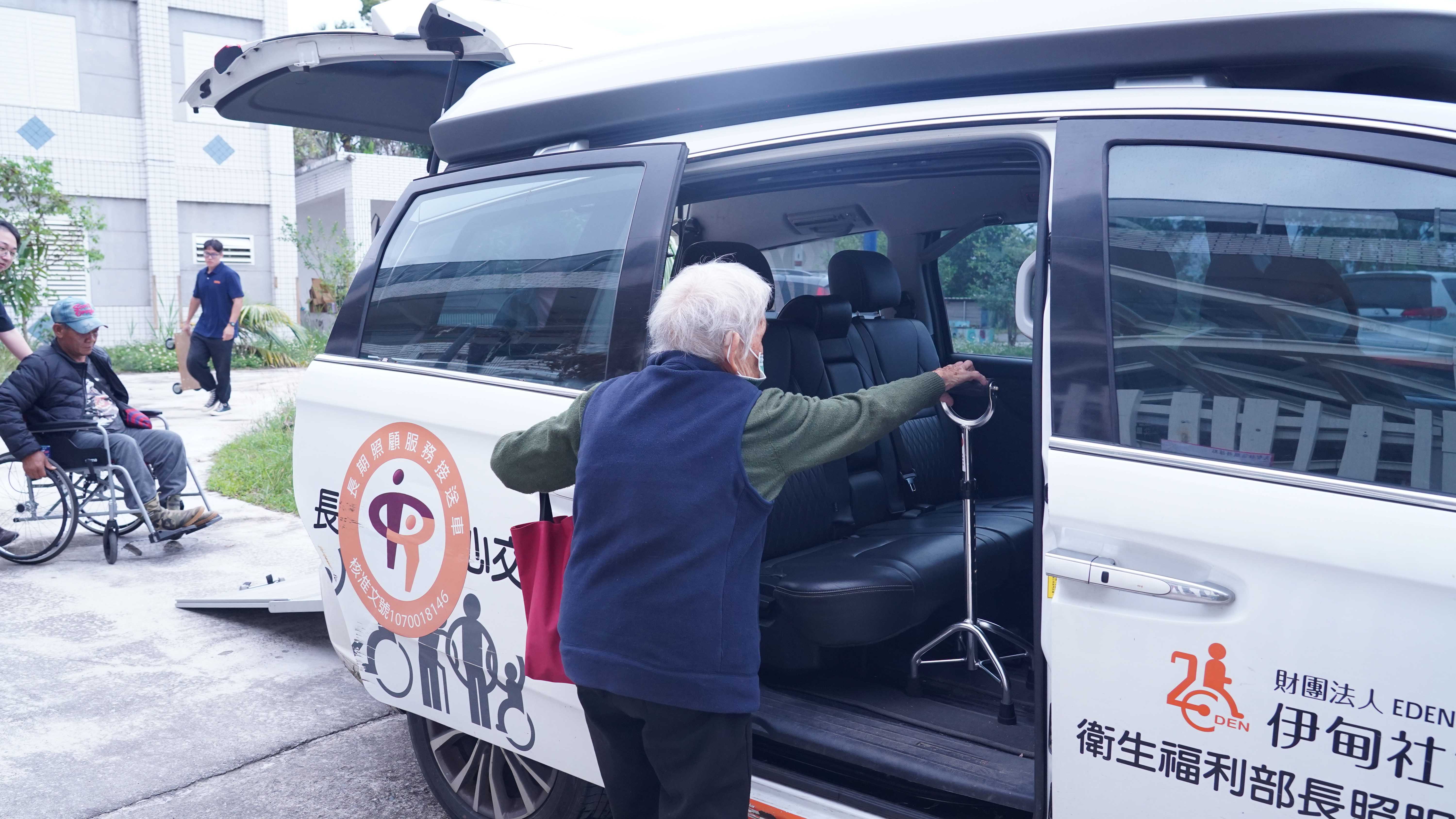
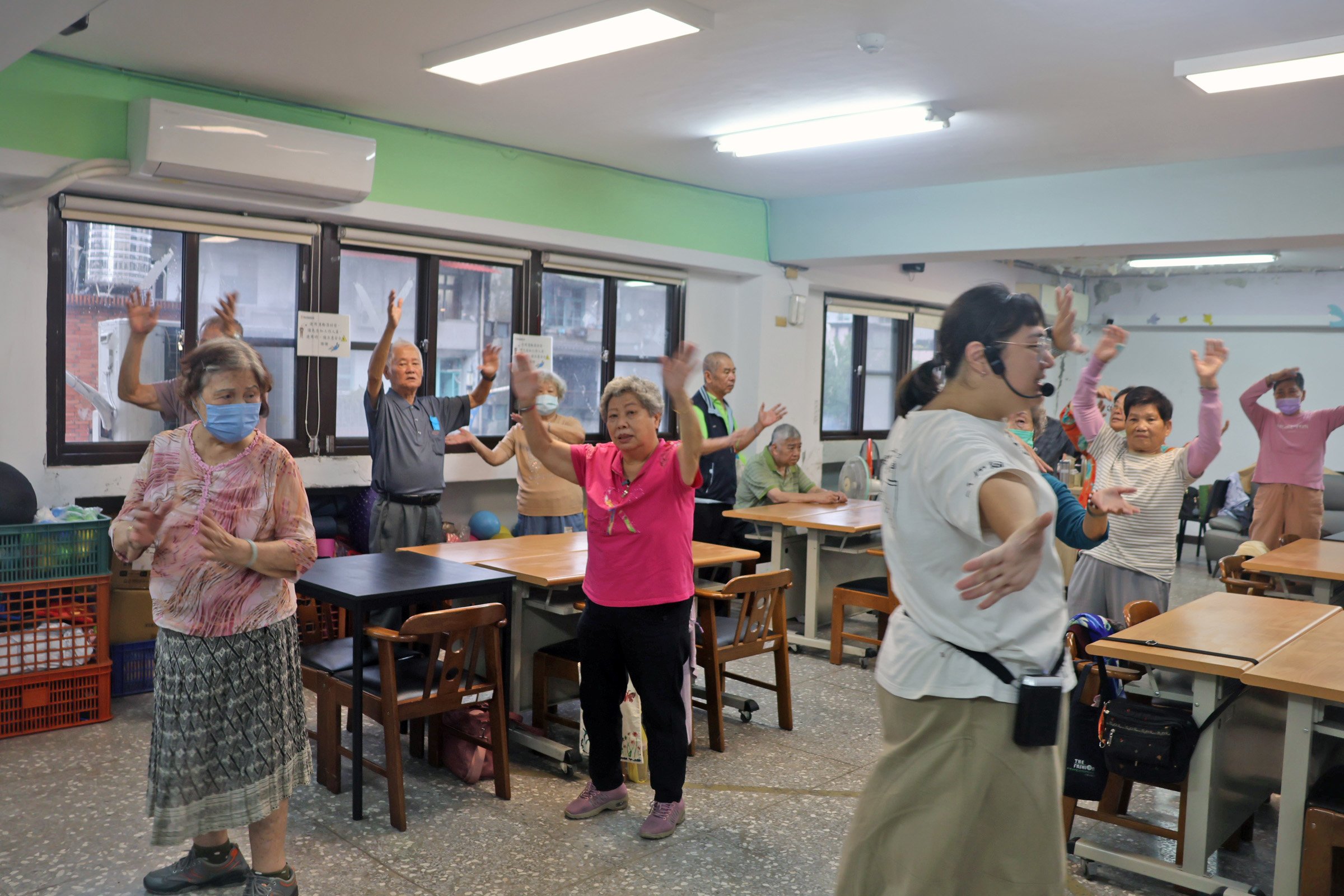
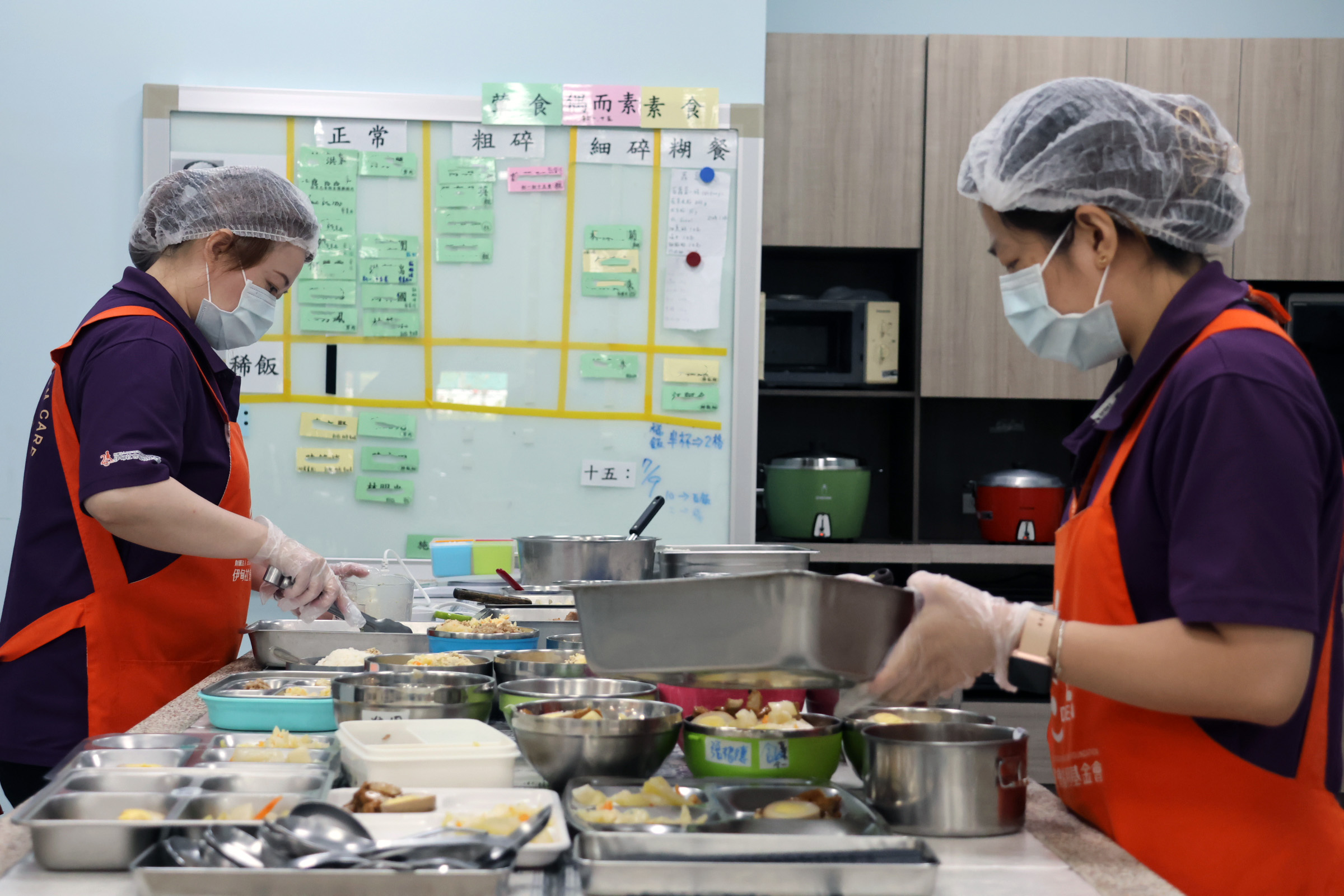
Eden’s diverse long-term care services help seniors live happily while reducing the stress on family caregivers.
Every person is a treasure in someone’s heart.
We hope that through gentle embraces and bonds of love,
we can help those exhausted by the aging population find a place of peace and security.
It takes a whole village to raise a child, and caring for the senior requires a society to join forces. This year, Eden joins hands with Ms. Ke-Li Miao, our charity ambassador and caregiver, to invite you to support the "Care Service Programs for Older Persons". We keep the seniors’ company with love for thousands of days and embracing a joyful "Aging Society."
Extend one more greeting, one more hug, one more visit
Join Eden in using love to help seniors live with peace and joy
Bring one more happy tomorrow
Eden Foundation invites you to join us in caring with love, supporting long-term care families through challenges, and embracing a joyful life together.